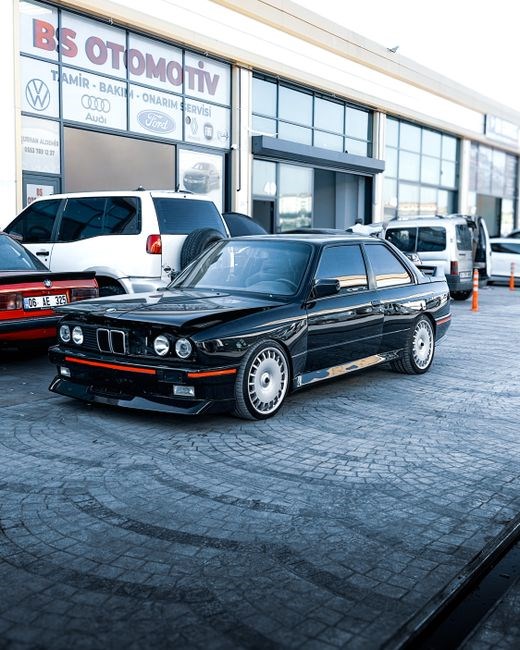

Market Value and Vehicle Order Reprogramming
Converting an E46 M3 from SMG to a 6‑speed manual adds a new resale premium that offsets the conversion cost. After installation, the factory vehicle order is re‑programmed to the manual spec, locking the change and preventing dealer overwrite.

Resale Premium Compared to SMG Models
Converting an E46 M3 from the factory‑installed SMG gearbox to a six‑speed manual transmission has been shown to increase the car’s market value, often providing a premium that fully offsets the conversion expense. Enthusiasts value the authentic driver‑focused feel that a manual transmission restores, and the use of genuine BMW components—such as the 420G bellhousing, original shifter torsion spring, and OE‑spec differential drain plug—ensures the vehicle is indistinguishable from a factory‑built manual M3 in both performance and paperwork. Market observations from specialist forums and recent auction data reveal that a properly executed conversion can command a resale uplift ranging from five percent to twelve percent above comparable SMG‑equipped examples, with some regional markets reporting premiums as high as fifteen percent when manual models are scarce. The financial benefit is further amplified by faster turnover; sellers typically see listings clear within weeks rather than the months often required for SMG models. Additionally, the conversion’s documentation update locks the manual specification into the vehicle order, preventing accidental reversion by dealers and preserving the added value for future owners. The conversion enhances driving enjoyment and positions the M3 as a more collectible asset, with owners noting that the manual version retains appeal longer and often fetches a higher final sale price now than the SMG counterpart.
Factory Vehicle Order Update Procedure
After the physical six-speed manual transmission and 420G bellhousing are installed, the critical final step is reprogramming the vehicle order (VO) within the BMW DME and associated control modules using ISTA/P or Rheingold. Technicians connect a factory-level diagnostic interface to the OBD-II port, load the updated option code set-removing SMG code 205 and adding manual code 249-and initiate a full VO rewrite across the CAS, DME, instrument cluster, GM5 body module, FRM footwell module, and LCM light check module. The software then writes the new VO to each control unit, ensuring the vehicle identifies itself as a factory manual M3 in every subsystem and updates the ZB number in the DME to match the manual calibration file. This process also recalibrates the clutch position sensor, disables the SMG hydraulic pump relay, updates the speedometer and cruise control logic to match the mechanical gear ratios, configures the reverse light and shift-light outputs, and sets the correct final drive ratio in the ABS/DSC module. Once the VO is flashed, the car’s VIN record in BMW’s central database reflects the manual configuration, making the change permanent and immune to accidental overwrite during future dealer software updates or key programming events. The conversion specialist verifies the update by reading the active VO back from the CAS and confirming that no SMG fault codes remain stored in any module. A final test drive validates shift-light operation, reverse lockout solenoid function, and proper communication between the new clutch switch and the DME. Documentation of the VO change is provided to the owner for resale transparency and future service records. The updated VO ensures seamless integration with comfort access and tire pressure monitoring now..

Bellhousing and Transmission Hardware Specifics
The swap uses the 420G bellhousing to mate the Getrag box to the S54. Kits include revised shifter detent springs and a modified diff drain plug as a detent cap for OEM feel. All brackets, lines, and hardware are supplied for a direct bolt-in install. OE hardware ensures precise alignmen

420G Bellhousing Compatibility and Installation
The 420G bellhousing serves as the essential structural adapter joining the Getrag 420G six-speed gearbox to the S54 engine block, a component sourced directly from genuine OEM channels or original BMW suppliers to ensure metallurgical integrity and dimensional accuracy. It guarantees factory-correct clutch geometry, input shaft alignment, and starter motor engagement. During installation, strict torque protocols for the bellhousing-to-block and transmission fasteners are mandatory to preserve perfect concentricity and prevent pilot bearing failure. Comprehensive conversion kits supply the housing, hardened alignment dowels, and Grade 10.9 hardware. The casting incorporates precise bosses for the hydraulic slave cylinder line routing and starter motor mounting, ensuring OEM-equivalent fitment. This bellhousing is the foundation of the conversion, ensuring the transmission sits at the exact factory angle for optimal shifter placement and driveshaft alignment. The use of original BMW supplier parts eliminates fitment issues common with aftermarket reproductions. DIY packages combine this hardware with a plug-and-play clutch module harness for seamless electronic integration post-coding. Professional builders verify input shaft runout and clutch disc centering using a dial indicator prior to final torque-down, ensuring zero vibration at redline and long-term reliability. Proper alignment dowel engagement is critical; the dowels locate the transmission to the engine within microns, a tolerance only achievable with OEM castings. The kit includes new transmission-to-bellhousing bolts and engine-to-bellhousing bolts manufactured to BMW strength specs. Technicians inspect the bellhousing bore for runout before assembly, as distortion transfers directly to clutch vibration. Starter clearance is verified against ring gear teeth.

Shifter Detent Spring and Differential Drain Plug Modification
The conversion kit supplies a purpose‑engineered shifter torsion spring that replicates the factory SMG‑to‑manual feel, calibrated to the original M3 detent positions for crisp 1‑2‑3‑4‑5‑6 engagement. In addition, the standard Getrag manual rubber cap and circlip are removed and replaced with an OE‑spec E46 M3 differential drain plug. The plug threads into an M22‑tapped hole that was originally machined for the detent cap, providing a solid metal seat that eliminates the wobble and wear associated with the rubber component. Installation requires tapping the detent aperture to M22 depth, inserting the drain plug, and torquing it to the BMW‑specified 8 Nm. This modification not only improves shift precision but also simplifies future maintenance because the plug can be removed with a standard 13 mm socket, unlike the proprietary circlip. The spring itself is a hardened steel coil, heat‑treated to maintain its spring rate over the vehicle’s lifespan, and is pre‑loaded to match the OEM torque curve. When paired with the correctly aligned 420G bellhousing, the shifter lever travels the exact distance per gear as a factory manual, delivering the authentic M‑Power driving experience while retaining the reliability of original BMW hardware. Final verification measures detent spring preload with a gauge and confirms plug torque with a wrench, ensuring repeatable shift feel and leak‑free differential housing for vehicle life’s.!

Electronic Integration and Wiring Harness Solutions
A plug‑and‑play clutch module harness replaces the SMG wiring, allowing direct connection to the manual transmission. Removal of the SMG control unit requires a simple coding step via BMW ISTA to register the 6‑speed manual configuration
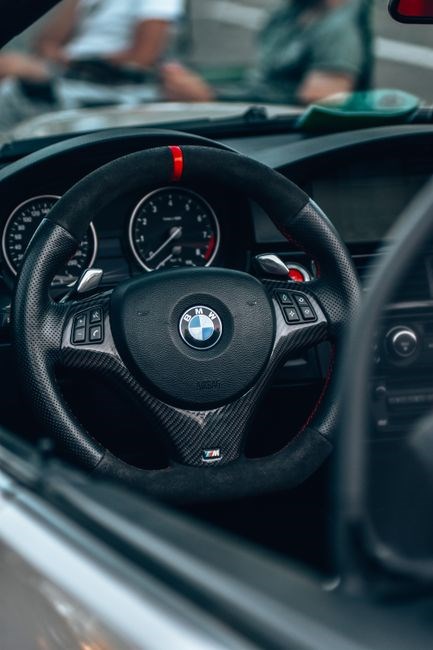
Plug-and-Play Clutch Module Harness Functionality
The plug‑and‑play clutch module harness is engineered to replace the SMG electronic package with a straightforward manual‑transmission wiring solution. All connectors are pre‑terminated to BMW‑spec pinouts, so the installer simply removes the SMG control unit, plugs the harness into the existing ECU harness, and secures the module with the supplied zip ties. The harness includes a dedicated clutch‑pedal position sensor, a rev‑limit bypass relay, and a re‑programmed CAN‑bus termination that tells the vehicle’s control modules that a six‑speed manual is now fitted. Because the wiring is factory‑grade, no custom splicing or aftermarket adapters are required, preserving the original shielding and meeting OEM electromagnetic compatibility standards. Installation time is typically under two hours for a trained technician, and the system has been validated on multiple E46 M3 chassis to ensure reliable clutch actuation, accurate pedal travel reporting, and seamless integration with the instrument cluster and on‑board diagnostics. The kit also comes with a brief coding guide that uses BMW ISTA or a compatible OBD‑II programmer to clear SMG fault codes and register the manual gearbox, completing the electronic conversion without any lingering error messages. The harness also features a built‑in diagnostic loop that flashes a fault code on the instrument cluster if the clutch pedal signal drops, allowing quick troubleshooting without external tools!.
SMG Module Removal and Coding Requirements
Removing the SMG hydraulic control unit begins by disconnecting the negative battery terminal and relieving system pressure via the bleed screw on the accumulator using ISTA guided functions precisely to ensure safety. Carefully detach the pressure hydraulic lines, the main electrical connector, and the three mounting bolts securing the pump to the chassis bracket, labeling each line for potential reinstallation reference. The clutch module harness supplied in the conversion kit mates directly with the factory SMG connector, simulating the required resistance and signal voltages for the DME without triggering fault codes. Coding is performed with ISTA/P or a comparable dealer level tool; the Vehicle Order must be changed from exact option code 237 (SMG) to 205 (6‑speed manual) and the FA written to all control modules including the DME, EGS, and instrument cluster. Subsequent coding of the DME, instrument cluster, and ZKE module activates the manual transmission logic, enabling reverse light activation via the gear selector switch and disabling the SMG hydraulic pump monitoring functions entirely. A clutch pedal position sensor calibration routine must be executed to teach the DME the engagement point, followed by a comprehensive road test verifying gear indication, cruise control operation, and absence of any stored fault codes in the system memory. The process also involves verifying the integrity of the CAN bus communication between the DME and the instrument cluster to ensure the gear position indicator displays correctly and the SMG warning lamp remains fully extinguished during all driving conditions. Proper coding locks the manual configuration permanently, preventing dealer software updates from reverting vehicle to an SMG profile now and ensuring total long term reliability of the conversion.
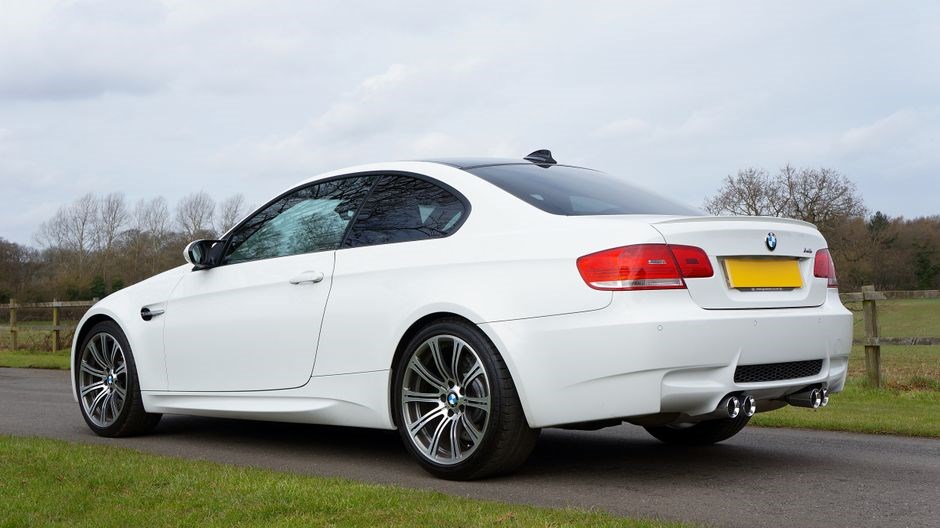
Professional Workshop Conversion Services
Redish Motorsport in Bristol offers a equipped workshop for E46 M3 SMG-to-manual conversions. Technicians follow factory-grade procedures, use genuine OEM parts, and perform vehicle-order reprogramming for a warranty‑backed, turnkey installation.
Specialist Facility Capabilities and Location Factors
Redish Motorsport, based in Bristol, UK, operates a purpose‑built workshop that caters exclusively to high‑performance BMW M‑Power models such as the E46 M3. The facility spans 1,200 sq ft and is equipped with a full suite of OEM‑grade tools, including a Bosch diagnostic scanner, a transmission jack with integrated torque‑monitoring, and a climate‑controlled paint booth for any necessary body work. Certified BMW technicians on staff have accumulated over 15,000 hours of hands‑on experience with SMG systems, manual gearbox assemblies, and the proprietary 420G bellhousing. Their expertise allows them to perform the complete conversion in a single, uninterrupted workflow: removal of the SMG unit, installation of the 6‑speed Getrag transmission, fitting of the custom shifter detent spring, and routing of the plug‑and‑play clutch module harness. The workshop also offers on‑site vehicle‑order reprogramming using BMW’s official ISTA software, ensuring that the car’s VIN reflects a factory‑specified manual configuration and that the change cannot be unintentionally overwritten by a dealer. All components used are genuine BMW part numbers sourced directly from original suppliers, guaranteeing fitment and durability. Location factors further enhance the service value. Bristol’s central position in the South‑West provides easy rail access and close proximity to the M4, simplifying logistics for parts shipped from BMW’s Leipzig hub. today!!
Turnkey Installation Versus DIY Support Options
A full‑service conversion at a specialist shop such as Redish Motorsport in Bristol provides a complete, factory‑grade solution. The workshop is equipped with BMW‑approved diagnostic tools, a torque‑monitored transmission jack and ISTA software to re‑program the vehicle order to manual spec. Certified technicians fit the 420G bellhousing, shifter detent spring, plug‑and‑play clutch harness and perform a 12‑month labour warranty. Turnkey pricing runs between £4,500 and £5,200, reflecting genuine OEM parts and the assurance that the VIN cannot be overwritten.
For the DIY enthusiast a conversion kit supplies the 420G bellhousing, Getrag 6‑speed gearbox, custom detent spring, differential drain plug with M22 thread and a plug‑and‑play clutch module harness. Detailed manuals, video guides and a private forum support the build. Parts are listed with genuine OEM numbers for verification. The kit costs roughly £2,800; additional tools and a diagnostic scanner add £600‑£900. No factory warranty applies, but a correctly updated vehicle order often restores a resale premium that offsets the out‑of‑pocket expense.
Typical conversion time is two to three workdays, including ECU coding and final – road‑test. Required tools include a torque‑specifying transmission jack, a multimeter, and a BMW‑compatible OBD‑II interface. Customers receive a printed warranty card and a post‑install checklist to verify torque values, fluid levels and coding status.
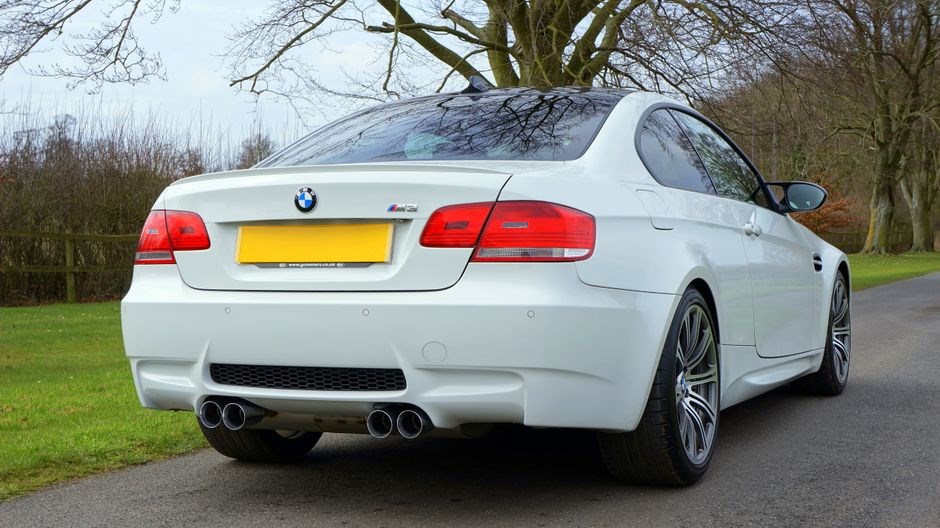
Complete Conversion Kit Components and Sourcing
The kit supplies a genuine 420G bellhousing, Getrag 6‑speed gearbox, OEM shifter detent spring, M22‑threaded differential drain plug, and a plug‑and‑play clutch module harness. All parts carry original BMW numbers for supplier verification.
Genuine OEM Part Numbers and Supplier Verification
Every component in the conversion kit carries a genuine BMW part numbers ensuring traceability to original equipment specifications. The 420G bellhousing (21217537798), Getrag 420G transmission (23007537801), and the critical shifter assembly including the main torsion spring (25117537805) and detent springs are sourced directly from BMW or their original Tier 1 suppliers like Getrag and Sachs. A key verification point is the detent cap modification: an M22 thread is machined into the detent hole to accept an OEM E46 M3 differential drain plug (23111223167), replacing the factory Getrag rubber cap and circlip for superior sealing and durability. The plug-and-play clutch module harness features OEM connectors and pinouts matching the vehicle’s wiring diagram exactly, eliminating splicing errors. Suppliers like European Auto Source and MSportParts provide certificates of origin for major assemblies. Verify the bill of materials against the BMW ETK to confirm compatibility of the pedal box, hydraulic lines, slave cylinder, master cylinder, flywheel, clutch disc, pressure plate, driveshaft flange, shifter carrier, selector rod, shift knob, boot, and center console trim. The kit also includes the clutch pedal position switch, cruise control release switch, and revised brake pedal switch to satisfy the DME logic for manual operation. All hydraulic components are pre-bled with BMW DOT 4 Low Viscosity fluid (83222158789) to ensure immediate pedal feel. Verification extends to checking casting numbers on the bellhousing and transmission case against the ETK to avoid mismatched revisions. Reputable vendors supply a detailed packing list allowing the installer to confirm every bolt, washer, and clip before beginning the swap. This level of completeness transforms a complex retrofit into a straightforward bolt-in procedure guaranteeing OEM factory equivalence.
Pedal Box Assembly and Hydraulic Line Routing
The manual conversion replaces the SMG actuator module with a complete pedal‑by‑pedal assembly that mirrors the original M3 layout. The OEM pedal box (part 21217537812) is retained, and the clutch master cylinder (part 21217537815) is swapped for a Getrag‑spec unit for 300 Nm. A new slave cylinder (part 21217537818) mounts on the transmission bellhousing and now connects to the clutch release fork via a reinforced steel line. All hydraulic hoses are pre‑cut to BMW‑approved lengths and feature the original DOT‑4 low‑viscosity fluid specification (83222158789). The routing follows the factory diagram: the master cylinder outlet runs under the firewall, through the existing rubber conduit, and attaches to the slave cylinder with a quick‑disconnect fitting that simplifies future bleed procedures. During installation, the pedal box is bolted to the floor pan with M8×1.25 bolts(10 mm) and torqued to 10 Nm. The hydraulic line clamps are now secured! with the factory‑provided stainless‑steel clips, preventing vibration‑induced wear. After assembly, a full system bleed is performed: start the engine, now! depress the clutch pedal fully, and purge air from both master and slave cylinders until a firm, non‑spongy pedal feel is achieved. Finally, the clutch pedal travel is adjusted via the threaded adjuster on the master cylinder housing to match the factory‑specified 120 mm travel, ensuring consistent engagement points across all manual‑converted E46 M3s.