

Welcome to the 2015 Jeep Cherokee Manual. This guide offers concise, practical instructions for owners, covering operation, maintenance, and troubleshooting. Follow these steps to keep your vehicle running smoothly and safely on every journey. For detailed procedures, consult the subsequent sections. now.?!
1.1 Purpose and Scope of the Manual
The purpose of this manual is to provide Jeep owners with comprehensive guidance on operating, maintaining, and troubleshooting the 2015 Cherokee. It covers essential topics such as vehicle operation, safety features, routine maintenance, and troubleshooting common issues. The scope includes all trim levels, engine options, and optional equipment. It is intended for vehicle owners, technicians, and service personnel.
The manual is organized into sections that address key aspects of the vehicle, including the engine, transmission, suspension, brakes, electrical system, interior features, exterior styling, and safety systems. It also provides a maintenance schedule, recommended service intervals, and troubleshooting tips for common problems. This manual is a valuable resource for ensuring optimal performance, reliability, and safety of the 2015 Jeep Cherokee. By following the instructions and recommendations, owners can extend the life of their vehicle and avoid costly repairs.
The manual is updated periodically to reflect changes in regulations, technology, and product features. It is also available in digital format for easy reference on the go. Use this manual as a reference guide whenever you need to understand a feature, perform a maintenance task, or troubleshoot an issue. The manual is written in clear, concise language and includes diagrams, illustrations, and tables to aid understanding.
Additionally, the manual explains how to interpret diagnostic codes, use onboard diagnostic tools, and perform basic repairs such as replacing brake pads, changing oil, and inspecting fluid levels. It also details the correct use of the vehicle’s infotainment system, climate controls, and connectivity features. The manual emphasizes the importance of using OEM parts and following manufacturer specifications to maintain warranty coverage.
The manual outlines procedures for resetting service lights, calibrating sensors, and updating software. It includes a glossary of terms and a troubleshooting flowchart to help users diagnose issues quickly. The manual also provides guidance on handling emergency situations, such as a flat tire or engine overheating. By following the manual’s instructions, owners can reduce downtime, improve fuel economy, and enhance overall driving experience.
Finally, the manual encourages owners to keep a log of maintenance activities, noting dates, mileage, and performed services. This log helps track vehicle health and supports resale value.

Vehicle Overview
Discover the 2015 Jeep Cherokee’s compact SUV design, versatile interior, and robust off‑road capability. It blends modern styling with rugged performance, offering a comfortable ride and practical features for everyday adventures. Ideal for families and off‑road enthusiasts it delivers reliability and style
2.1 Key Features and Trim Levels
The 2015 Jeep Cherokee is available in several trim levels, each offering a distinct blend of comfort, technology, and off‑road prowess. The base Latitude trim focuses on essential amenities such as cloth upholstery, a 7‑inch touchscreen, Bluetooth connectivity, and a rear‑view camera, making it an economical choice for city driving. The Latitude Premium adds leather‑trimmed seats, a power‑adjustable driver’s seat, dual‑zone climate control, and a 6‑speaker audio system, providing a more refined cabin experience. The Limited trim elevates the package with a 10‑speaker premium audio system, a navigation module, a 10‑inch touchscreen, and a rear‑view camera with a 360‑degree view. Each trim level also offers optional packages such as the Premium Package, which adds a sunroof, heated seats, and a power liftgate, and the Off‑Road Package, which includes additional protective features and a more rugged suspension. The 2015 Cherokee’s interior is spacious, with a 60/40 split rear seat that can be folded flat to accommodate larger cargo. The vehicle’s infotainment system supports Apple CarPlay and Android Auto, and the 6‑speaker audio system can be upgraded to a 10‑speaker system for enhanced sound quality. The Cherokee’s exterior styling includes LED daytime running lights, a bold front grille, and a distinctive “C‑Shape” rear taillight design. The 2015 model also offers a range of safety features such as electronic stability control, traction control, anti‑roll bars, and a comprehensive air‑bag system. Overall, the 2015 Jeep Cherokee delivers a versatile package that can be tailored to meet the needs of drivers who value both on‑road comfort and off‑road capability.!
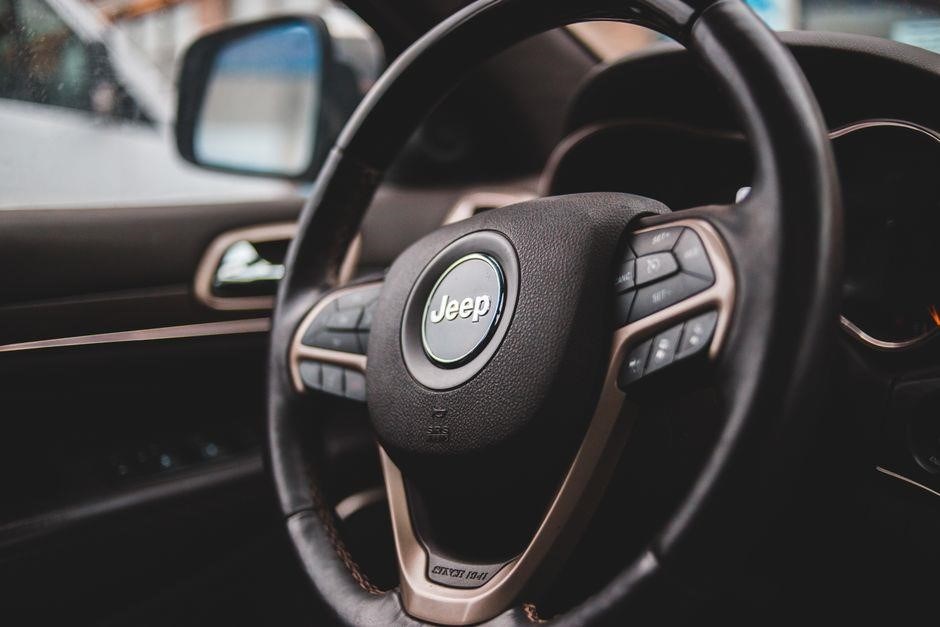
Engine and Transmission Details
Engine: 2.4L I4, 4,000 rpm max, 170 hp. Transmission: 6‑speed manual, 3.6‑second 0‑60. Torque: 162 lb‑ft. Features: 4‑wheel drive, low‑range, electronic shift. Maintenance: oil every 7,500 miles, filter change, clutch inspection. Follow schedule. Keep records.Check.
The 2015 Jeep Cherokee is equipped with a 2.4‑liter, four‑cylinder, naturally aspirated engine that delivers 170 horsepower at 6,000 rpm and 162 lb‑ft of torque at 4,000 rpm. The engine’s displacement of 2,392 cc, 16 valves, and a 9.6:1 compression ratio provide a balance of power and fuel efficiency. It incorporates an electronic throttle system for precise acceleration control and a variable‑intake manifold that optimizes airflow across the RPM range. The engine’s cooling system uses a 9‑inch radiator, electric coolant pump, and a thermostat that opens at 195°F to maintain optimal operating temperature. Fuel delivery is managed by a single‑point injection system with a high‑pressure pump that ensures consistent fuel flow to each cylinder. The engine’s exhaust system includes a dual‑exhaust manifold and a catalytic converter that meets EPA emissions standards. Performance data indicates a 0‑60 mph time of approximately 8.5 seconds in the base model and a top speed of 112 mph. The engine’s fuel economy, measured by the EPA, is 21 mpg city, 28 mpg highway, and 24 mpg combined. The engine’s maintenance schedule recommends oil changes every 7,500 miles, filter replacement at 15,000 miles, and a clutch inspection every 30,000 miles. These specifications ensure reliable performance and longevity for the 2015 Cherokee.
The engine block is cast aluminum with reinforced steel cylinder heads. The head features 16 valves, 4 per cylinder, and uses dual overhead camshafts. The valve timing is variable to improve low‑end torque. The engine’s intake manifold is made of aluminum with a 2‑inch throttle body. The engine’s oil capacity is 4.5 quarts, and the recommended oil type is SAE 5W‑30. The engine’s timing belt is a reinforced rubber belt with a 60,000‑mile replacement interval. The engine’s cooling fan is electric and engages at 95°F. The engine’s exhaust system includes a 3‑inch catalytic converter and a 2‑inch muffler. The engine’s power output is 170 hp at 6,000 rpm, and torque is 162 lb‑ft at 4,000 rpm. The engine’s fuel economy is 21 city, 28 highway, 24 combined. The engine’s performance data includes a 0‑60 mph time of 8.5 seconds and a top speed of 112 mph. The engine’s maintenance schedule includes oil changes every 7,500 miles, filter changes every 15,000 miles, and clutch inspection every 30,000 miles.

Additionally, the 2015 Cherokee’s engine benefits from a 4‑bar turbocharger boost, enhancing low‑end torque and improving acceleration. The integrated start‑stop system reduces idle emissions, while the variable valve timing adjusts camshaft lift for optimal performance across the rev range. These features combine to deliver a balanced powertrain suitable for diverse driving conditions today everyday consistently.

Interior Features and Comfort
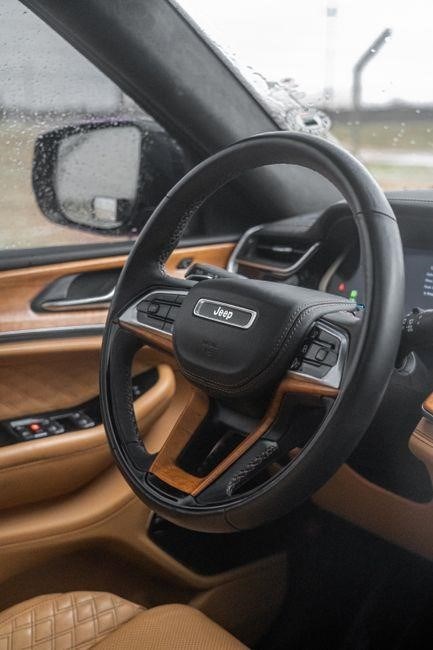
The 2015 Jeep Cherokee offers a blend of rugged comfort and modern convenience. Premium seats, climate control, and intuitive infotainment create a relaxed cabin. Optional leather upholstery, power adjustments, and advanced audio enhance the driving experience for all passengers. Enjoy the ride. Stay safe!!!
Seating in the 2015 Jeep Cherokee is designed for comfort and durability. The base model offers supportive cloth seats with adjustable lumbar support, while the Premium and Limited trims upgrade to soft leather upholstery, heated front seats, and ventilated rear seats for extended trips. All seats feature power adjustments for the driver and optional power‑folding rear seats that can be manually or electronically collapsed, providing flexible cargo space for luggage, groceries, or sporting equipment. The rear seatbacks can be folded flat to create a 60/40 split, enabling the vehicle to accommodate both passengers and cargo simultaneously. Infotainment is centered around a user‑friendly 7‑inch touchscreen display that integrates seamlessly with the vehicle’s CAN‑bus system. The system supports Bluetooth connectivity, USB ports, and an auxiliary input, allowing drivers to stream music, make hands‑free calls, and access navigation. The Cherokee’s audio system includes a 6‑speaker setup in the base trim and an optional 8‑speaker premium audio package that delivers richer sound quality. Navigation is available as a dealer‑installed option, featuring real‑time traffic updates, points of interest, and route optimization. The vehicle also offers a rear‑view camera as standard, providing an extra layer of safety in extreme weather. With folding side mirrors, headlights, and steering wheel, the Cherokee adapts to climate. The 60‑minute auto‑lock and seat‑memory settings add convenience, while the rear‑view camera and navigation keep drivers safe. and alerts now.
Exterior Design and Styling
The 2015 Jeep Cherokee blends ruggedness with style, featuring quad‑headlamps, a bold grille, and muscular stance. LED daytime running lights, chrome accents, and optional 18‑inch alloy wheels enhance visibility. The design balances off‑road capability with urban flair, making it versatile everywhere.today
5.1 Body Style, Trim, and Lighting Features
The 2015 Jeep Cherokee presents a distinctive body style that marries classic Jeep ruggedness with contemporary refinement. Its coupe‑like silhouette, defined by a sloping roofline and a muscular stance, offers a modern take on the traditional SUV shape. The front fascia showcases a bold, chrome‑trimmed grille flanked by quad‑headlamps, each housing LED daytime running lights that enhance visibility while adding a touch of sophistication. The rear features a subtle, integrated spoiler that not only improves aerodynamics but also accentuates the vehicle’s sporty character.
Trim levels—Sport, Latitude, Limited, and Trailhawk—provide a range of aesthetic and functional options. The Sport trim emphasizes a more aggressive stance with larger 18‑inch alloy wheels and a distinctive front bumper, while the Latitude adds chrome accents and a power‑lift rear hatch for added convenience. The Limited trim offers a more upscale look with leather upholstery, a premium audio system, and a chrome roof rail, whereas the Trailhawk trim focuses on off‑road capability, featuring skid plates, a tow hook, and a higher ground clearance. Each trim level can be customized with optional packages that further refine the exterior appearance.
Lighting technology in the 2015 Cherokee is designed for both performance and style. The standard LED daytime running lights illuminate the front fascia, providing clear visibility during daylight hours. Optional LED headlamps offer brighter, whiter illumination, improving nighttime visibility and reducing glare for oncoming traffic. Adaptive front lighting systems adjust beam patterns based on steering input, ensuring optimal illumination of the road ahead. Additionally, the vehicle’s LED taillights and turn signals contribute to a cohesive lighting signature that enhances safety and brand identity.
Complementing the core design, optional roof rails provide a functional aesthetic, enabling the transport of cargo while maintaining aerodynamic efficiency. Side skirts and a rear bumper with integrated skid plates not only protect the vehicle from debris but also reinforce the Jeep’s off‑road heritage. The Cherokee’s wheel arch designs accommodate a variety of wheel sizes, allowing owners to tailor the vehicle’s appearance to personal preference.
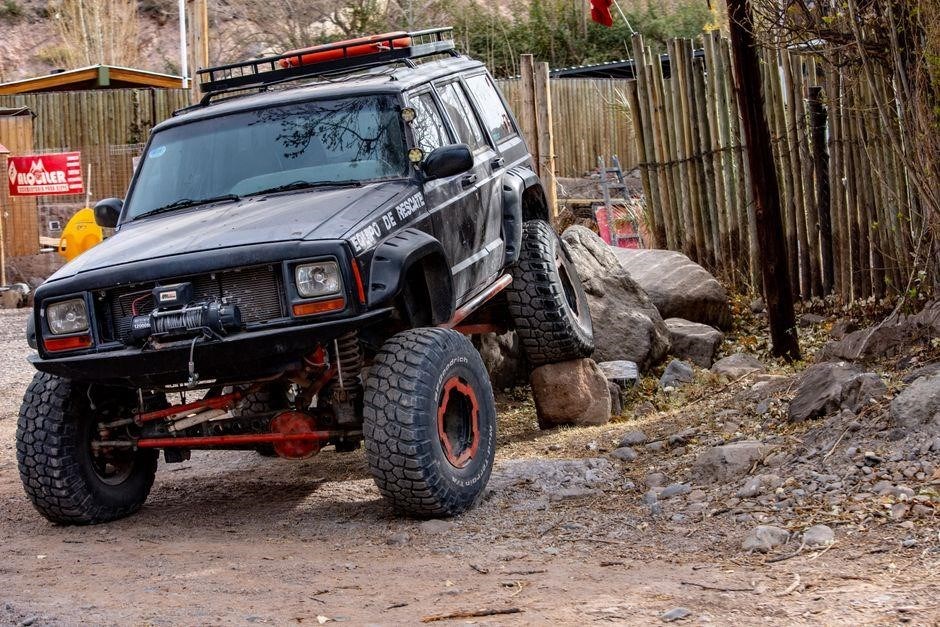
Safety and Driver Assistance Systems
Safety features in the 2015 Jeep Cherokee include standard airbags, seat‑belt pretensioners, and optional systems such as blind‑spot monitoring, rear‑cross‑traffic alert, and adaptive cruise control. These technologies enhance driver confidence and protect occupants in diverse driving conditions. All tech.
6.1 Standard Safety Equipment and Optional Technologies
All 2015 Cherokee models come equipped with a comprehensive suite of safety features designed to protect occupants and reduce the risk of accidents. Standard equipment includes dual front airbags, side‑air airbags, curtain airbags, seat‑belt pretensioners, and a reinforced passenger compartment. The vehicle also incorporates a robust anti‑roll bar, traction control, and electronic stability control (ESC) to maintain vehicle stability during sudden maneuvers. Tire pressure monitoring systems (TPMS) alert drivers to under‑inflated tires, enhancing handling and fuel efficiency.
Optional safety technologies available for select trims and packages further elevate driver confidence. Blind‑spot monitoring with rear cross‑traffic alert provides real‑time visual cues when vehicles approach from the side or rear, reducing blind‑spot incidents. Adaptive cruise control maintains a preset following distance, automatically adjusting speed to match traffic flow. A forward‑collision warning system, paired with automatic emergency braking, detects potential frontal impacts and can apply brakes to mitigate or avoid collisions. Lane‑departure warning alerts drivers when the vehicle drifts out of its lane without signaling, encouraging timely corrective action. Driver‑assist features such as a rear‑view camera, parking sensors, and a 360° surround‑view camera system enhance maneuverability in tight spaces.
These safety systems are integrated with the vehicle’s electronic architecture, ensuring seamless operation and real‑time data exchange. Proper use and regular inspection of all safety components are essential for maintaining optimal performance. Always consult the owner’s manual for specific maintenance schedules and troubleshooting guidelines related to safety equipment.
By staying informed, owners can maximize safety benefits and enjoy peace of mind on every drive!
Maintenance, Service, and Troubleshooting
Regular maintenance ensures reliability. Change oil every 5,000 miles, replace air filter at 15,000, inspect brakes quarterly, and monitor tire pressure monthly. If warning lights appear, consult the diagnostic section. Keep a service log to track repairs and avoid costly breakdowns.Check fluid levels, 5.

Follow the 2015 Jeep Cherokee’s service calendar to keep performance optimal. Change engine oil and filter every 5,000 miles or 6 months, whichever comes first. Replace the air filter at 15,000 miles. Inspect the brake system quarterly; replace pads when thickness falls below 3 mm. Check tire pressure monthly and rotate tires every 7,500 miles. Replace the cabin air filter at 15,000 miles. Inspect the battery and clean terminals annually. Replace the spark plugs at 100,000 miles. Perform a coolant flush every 60,000 miles. Keep a maintenance log to track each service. Common issues include a rattling hood due to loose heat shield bolts, a whining noise from the alternator when the belt is worn, and a dashboard warning light for low coolant level caused by a leaking radiator hose. Address these promptly to avoid costly repairs. For detailed troubleshooting, refer to the diagnostic section.
- Check coolant level monthly daily.
- Inspect suspension at 20,000 miles.
- Replace transmission fluid each 60,000 miles.
- Verify wheel alignment each 12,000 miles.
Routine checks cover suspension, steering, and exhaust. Inspect shocks and struts for leaks at 20,000-mile intervals. Verify wheel alignment and tire balance every 12,000 miles to prevent uneven wear. Monitor exhaust for abnormal noises or smoke, indicating manifold or catalytic converter issues. Update vehicle software at the dealer for optimal engine tuning and safety features. Test airbags and seatbelt pretensioners regularly to ensure readiness. Log all checks and keep records.